NEWS
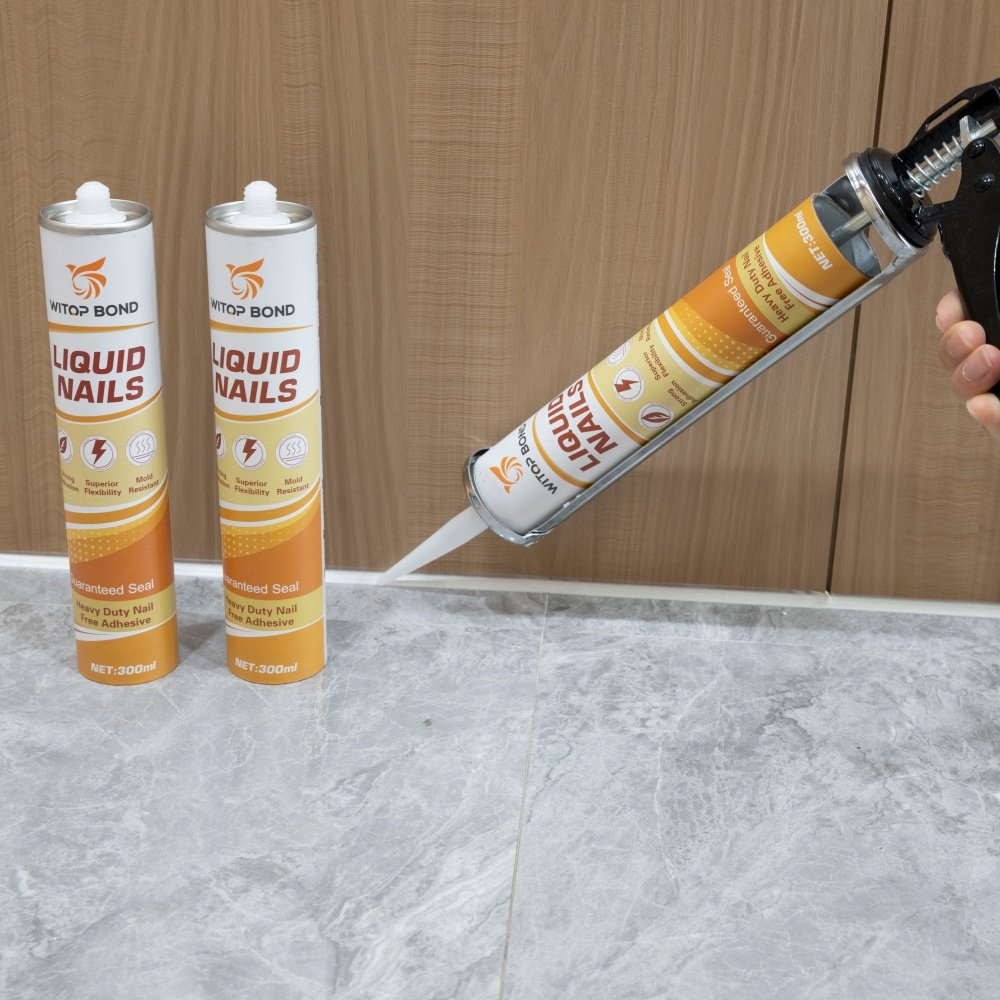
Liquid Nail Cartridges in Transit: A Distributor's Receiving and Storage Checklist
For an importer or building-material distributor, receiving construction adhesive is a quality-control step as well as an inventory task. A clear process helps distinguish a delivery discrepancy from a product complaint and gives the supplier useful evidence when something needs investigation. The checklist below is intended for Liquid Nail-type cartridge adhesives, with all technical limits confirmed for the exact product.
1. Obtain storage requirements before dispatch
Request the current Technical Data Sheet and Safety Data Sheet for the ordered model. Ask the supplier to identify the specified storage conditions, shelf-life basis, packaging type and date-code interpretation. Confirm how those instructions apply to the planned route and warehouse.
Shelf life describes an expected period under defined conditions, not a promise independent of storage. Bostik’s shelf-life bulletin also explains why the original packaging matters for different adhesive technologies. Its numerical limits are not WITOP BOND specifications. Use the selected model’s documents. Bostik: Shelf Life factsheet
Do not infer shipment suitability from “heavy duty” or “instant grab” wording. Those descriptions do not define storage temperatures or transport requirements. Confirm the proposed shipment arrangements with the supplier and carrier using the applicable product documentation.
2. Agree on a receiving record
Before arrival, decide who will inspect the delivery and where questionable cartons will be held. A simple record can include:
- Purchase order and supplier product code.
- Quantity ordered, received and held for review.
- Batch codes and relevant dates on the packaging.
- Carton and cartridge condition.
- Delivery date and photographs of any discrepancy.
- Available transport-condition records.
- The person responsible for the release decision.
These are suggested purchasing controls, not a claim that WITOP BOND operates a particular certified inspection system. Choose an inspection scope appropriate to the order and the buyer’s own quality procedures.
3. Check identity and packaging before opening stock
Compare the received label with the ordered model rather than relying on a similar brand color or cartridge size. Note unreadable codes, damaged closures, leakage or crushed packaging. Keep the identity of affected cartons connected to the relevant batch references.
Photograph the condition before repacking. Separate questionable stock from stock released for sale, and ask the supplier what evidence is needed. Packaging damage warrants investigation, but a photograph does not automatically establish whether the adhesive remains within specification.
Avoid opening every cartridge merely to check its contents. Where a sample inspection is agreed, document the units selected and follow the product’s handling instructions. Keep sampling records distinct from the status of unopened saleable stock.
4. Manage warehouse conditions and stock rotation
Store the product within the exact model’s documented requirements and retain the original identification. Sika’s industry FAQ directs users to product-specific storage limits and explains that prolonged elevated temperatures can accelerate aging. It does not provide a universal limit for other manufacturers’ adhesives. Sika Industry FAQs: Storage
For your warehouse plan, consider where temperature exposure could differ from a general room reading, and decide whether monitoring is needed. Ask the supplier about any suspected excursion instead of assuming that returning a carton to normal conditions restores its original shelf life.
Use a stock-rotation method that considers the remaining usable period, not only the delivery date. Keep held, returned and expired stock clearly separated in inventory. Do not reset a date label or invent an extension to clear slow-moving stock.
5. Define what a sample check can and cannot show
An agreed dispensing or application check may help investigate an issue, but it is not a substitute for the supplier’s release criteria. Record the sample identity, preparation and observations, then request a documented decision where the result is uncertain.
Initial tack is also different from final cured strength, as Bostik explains in its adhesive FAQ. Bostik Academy: Grabs and Adhesives FAQ A quick grab demonstration cannot establish long-term performance or approve a safety-critical installation. “No nails” wording does not remove a project’s requirements for mechanical fixings or engineered support.
6. Close the inquiry with traceable information
For a questionable delivery, send a concise report with the order number, model, batch references, quantities, photographs and known storage history. Ask for the next inspection step and a written disposition before releasing held goods. Preserve both the report and the response.
For future orders, discuss packaging, route, destination handling and expected stock turnover alongside price. A cost-effective purchase should account for usable stock and avoidable waste, not just the initial unit price.
WITOP BOND manufactures and supplies adhesives and sealants with global shipping. For a Liquid Nail inquiry, share your application, destination and estimated quantity, and request model-specific TDS/SDS and shipping details. Packaging options, delivery arrangements and any sample evaluation should be confirmed for the actual order.
Technical note: This is a distributor workflow guide, not a WITOP BOND shelf-life statement or transport classification. External references explain general principles; their performance data and approvals do not apply to WITOP BOND products.
Explore our Liquid Nail product information and contact us about your project.