NEWS
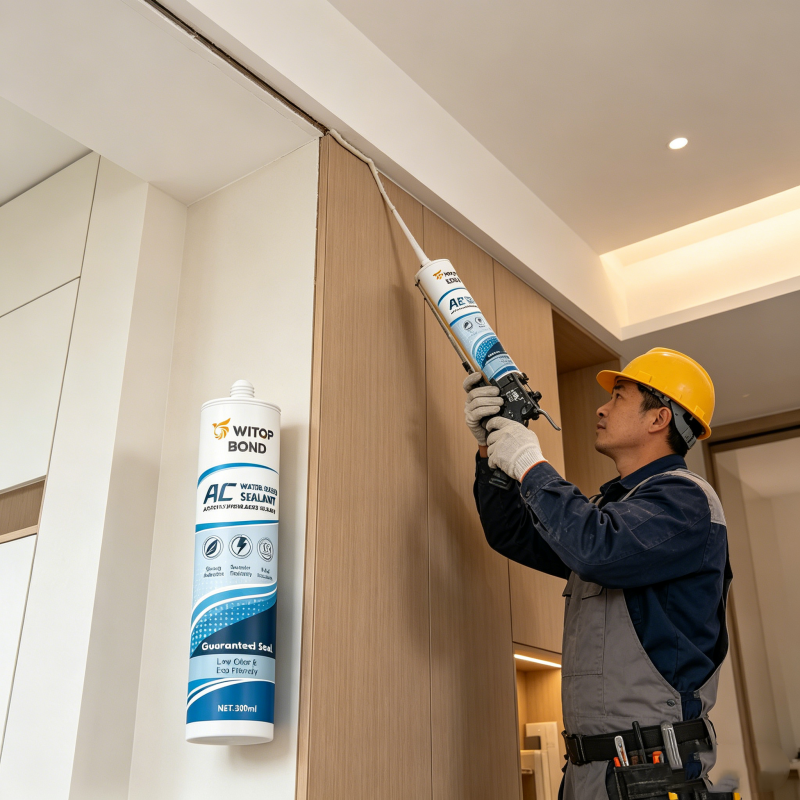
Acrylic Sealant for Paintable Interior Joints and Gap Filling
Acrylic sealant is commonly considered for the finishing stage of interior construction and renovation. It can help close suitable decorative gaps before painting, creating a more continuous appearance around trim, frames and adjoining surfaces. Its practical role is different from a structural adhesive or a high-movement facade sealant.
For contractors and distributors, the first question is whether the joint needs a paintable filler for limited movement or a different sealing system. Selecting for that distinction can prevent unnecessary rework after decoration.
What Water-Based Acrylic Sealant Does
Water-based acrylic sealants generally dry as water evaporates. They are commonly used for narrow gaps and cracks where relatively little movement is expected. Drying may involve shrinkage, so the permitted joint dimensions and any further application should follow the selected product’s instructions. Sika’s sealant technology overview describes this use of water-based acrylates [1].
Do not equate drying at the surface with readiness for every finishing step. Allow the specified drying period for the actual bead size and site conditions before painting or exposing the joint to service.
Typical Interior Applications
Depending on the grade and substrates, acrylic sealant may be considered for low-movement connections around door frames, window frames, skirting boards and interior wall or ceiling details. Its purpose in these examples is finishing and sealing a suitable joint, not carrying structural loads.
Separate a stable decorative gap from a crack caused by ongoing movement or an unresolved building defect. Covering the visible opening does not correct the underlying cause. For recurring cracks, identify the movement before choosing a repair material.
Preparing for a Painted Finish
Paintability is a useful feature of many acrylic sealants. Water cleanup of uncured material is also available with some grades. SikaSeal Acrylic is one documented example of a water-based product for low-movement interior work with a water-based-paint finish [2]. These are product-specific characteristics, so confirm them for the WITOP BOND grade being ordered.
Clean the joint surfaces and remove loose or poorly bonded material. Apply and finish the bead in accordance with the Technical Data Sheet. Test the intended coating on a sample joint, including the required drying interval, rather than assuming all primers and paints will behave identically.
Moisture and Movement Limitations
Acrylic sealant should not be treated as a universal waterproofing material. Some formulations permit defined exterior uses, while others are intended for interior finishing. Do not specify an ordinary acrylic filler for permanent immersion, aquarium construction or a constantly wet joint without explicit product approval.
Sikacryl S, for example, is documented for minor-movement joints and crack filling without permanent water immersion [3]. The appropriate lesson is to check exposure and movement limits for the exact product. A category name alone cannot establish suitability for a shower joint, exposed facade or roof detail.
Buying Acrylic Sealant from WITOP BOND
WITOP BOND manufactures and supplies adhesives and sealants for international customers, with global shipping arrangements. For an acrylic sealant inquiry, provide the substrates, gap dimensions, expected movement, moisture exposure and intended paint system.
Also specify the required color, packaging, order quantity and delivery destination. Ask for current technical and safety information, and evaluate samples under the actual finishing conditions before a bulk purchase. Available grades, documentation and delivery terms should be confirmed when ordering.
Technical References
- Sika, Sealants for New Construction and Renovation of Residential Buildings
- Sika, SikaSeal Acrylic
- Sika, Sikacryl S
These sources provide technology and application context. They are not test reports, certifications or specifications for WITOP BOND products.