NEWS
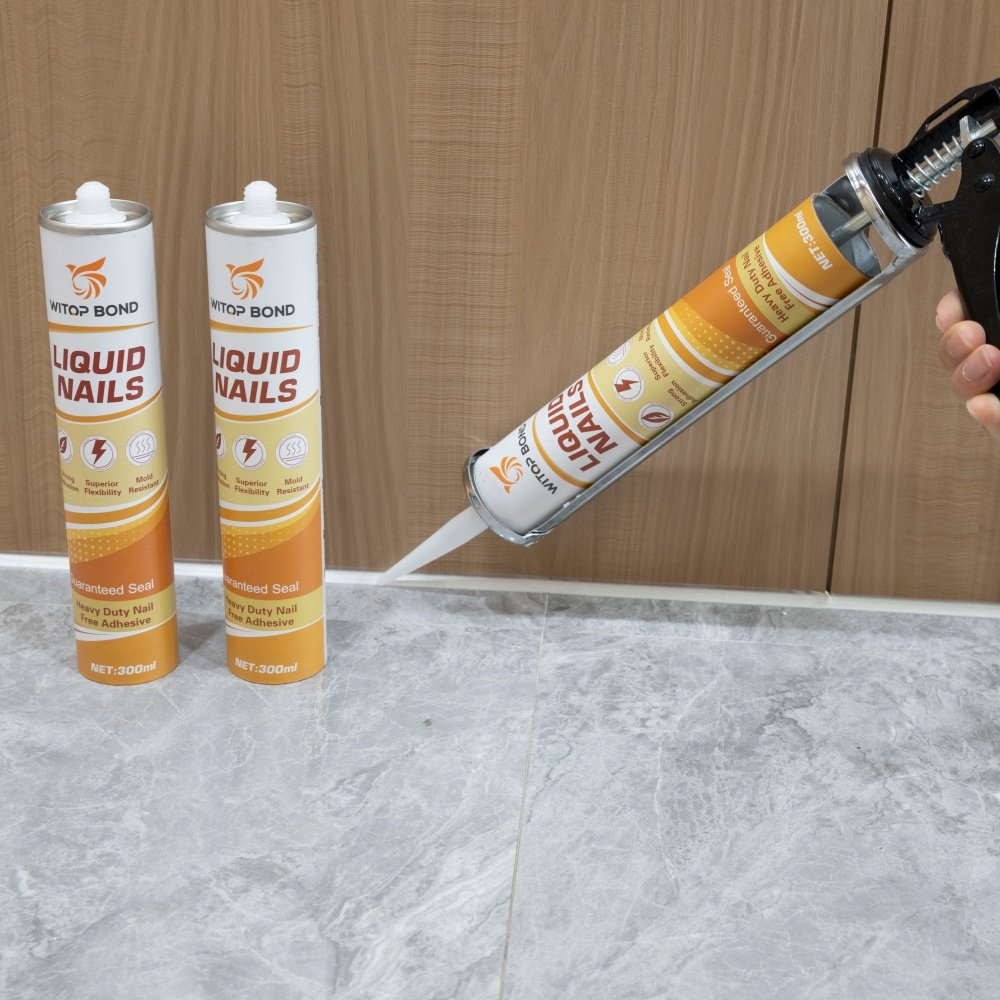
Liquid Nail for Wall Panels: How to Run a Trial Before a Bulk Order
A cartridge demonstration is not a complete wall-panel approval. For importers, distributors and installation contractors, a useful Liquid Nail trial should answer a narrower question: will the proposed adhesive and installation method work with the exact materials being purchased? Start with a written sample plan before negotiating the bulk order.
1. Define the assembly, not just the product name
List the panel manufacturer, panel code, backing material, wall substrate and any paint, coating or primer between them. Add the installation location and whether the panel system requires clips, rails or other fixings. Send this information with the adhesive inquiry instead of asking only for the strongest glue.
Product names such as “heavy duty” or “no nails” are not engineering approval for every assembly. For example, one manufacturer’s panel adhesive requires a porous bonding surface and excludes certain uses. That limitation belongs to that formulation, not to all construction adhesives. Check the proposed WITOP BOND model’s current technical data sheet (TDS). See Henkel’s panel-adhesive guidance for why model-specific restrictions matter.
2. Agree on the trial record before opening a cartridge
Use a simple worksheet so the supplier, buyer and installer evaluate the same evidence. A practical record should include:
- Adhesive model, batch reference and stated shelf life.
- Panel and substrate sample codes, including their surface finishes.
- Preparation method, application pattern and intended bond-line dimensions.
- Assembly date, site conditions, curing conditions and inspection dates.
- Photographs before installation and at each agreed inspection.
- Acceptance criteria, responsible reviewer and unresolved questions.
Agree what counts as acceptable before seeing results. Separate visual appearance, handling during installation, and the required in-service performance. A useful result is a traceable decision, not simply a photograph captioned “strong bond.”
3. Reproduce the intended installation
Use representative offcuts with the actual panel backing and wall finish. Have the installer follow the proposed product and panel instructions, including surface preparation, adhesive placement and temporary support. Henkel recommends evaluating adhesive applications under conditions representative of their end use; a different substrate or assembly process can make a sample comparison misleading. See its application-testing guidance.
Label each sample clearly. When comparing alternatives, keep the materials and evaluation method consistent, while following each adhesive’s own application requirements. Record any deliberate difference rather than treating all cartridges as interchangeable. Ask the technical reviewer to decide whether laboratory testing or a larger installation mock-up is necessary.
4. Separate instant grab from the final approval
Initial grab describes early holding behavior; it does not establish final cured strength. Bostik’s adhesive FAQ makes this distinction and notes that adhesive selection depends on substrates, application and the intended result. Do not turn an early handling observation into a load rating.
Use the exact model’s instructions to determine when and how to evaluate the cured assembly. Never substitute a competitor’s curing time. Retain required supports and mechanical fixings; a “no nails” description does not authorize removing safety-critical attachments. Suspended, overhead, structural or fall-risk installations need an appropriately designed and approved fixing system.
5. Make failures useful instead of hiding them
If a trial does not meet its agreed criteria, photograph the affected areas and retain the sample where practical. Record what detached, what remained on each surface, and whether the panel or coating was damaged. Send observations without assigning blame in advance. Have the supplier and panel-system representative review the evidence before changing preparation or adhesive.
Repeat an agreed change with a new sample code. Keep unsuccessful results in the file: they show which combinations should not be offered to customers. A satisfactory small trial is a screening step, not proof of every climate, service life or structural load condition.
6. Turn sample approval into purchasing instructions
Link the purchase specification to the approved model and assembly record. Ask for confirmation before changing formulation, panel backing or installation method. Discuss packaging, storage instructions and shipment conditions separately. Judge cost effectiveness using installation time, waste and potential rework as well as cartridge price.
WITOP BOND is an adhesive manufacturer and supplier offering global shipping. Explore our Liquid Nail product page, then use the inquiry form below to share your panel details, destination and estimated quantity. Request the relevant TDS/SDS and discuss sample availability before finalizing an order.
Technical note: This is a sample-planning guide, not a WITOP BOND performance specification. External references explain general selection principles; their test results, approvals and product claims do not apply to WITOP BOND products.