NEWS
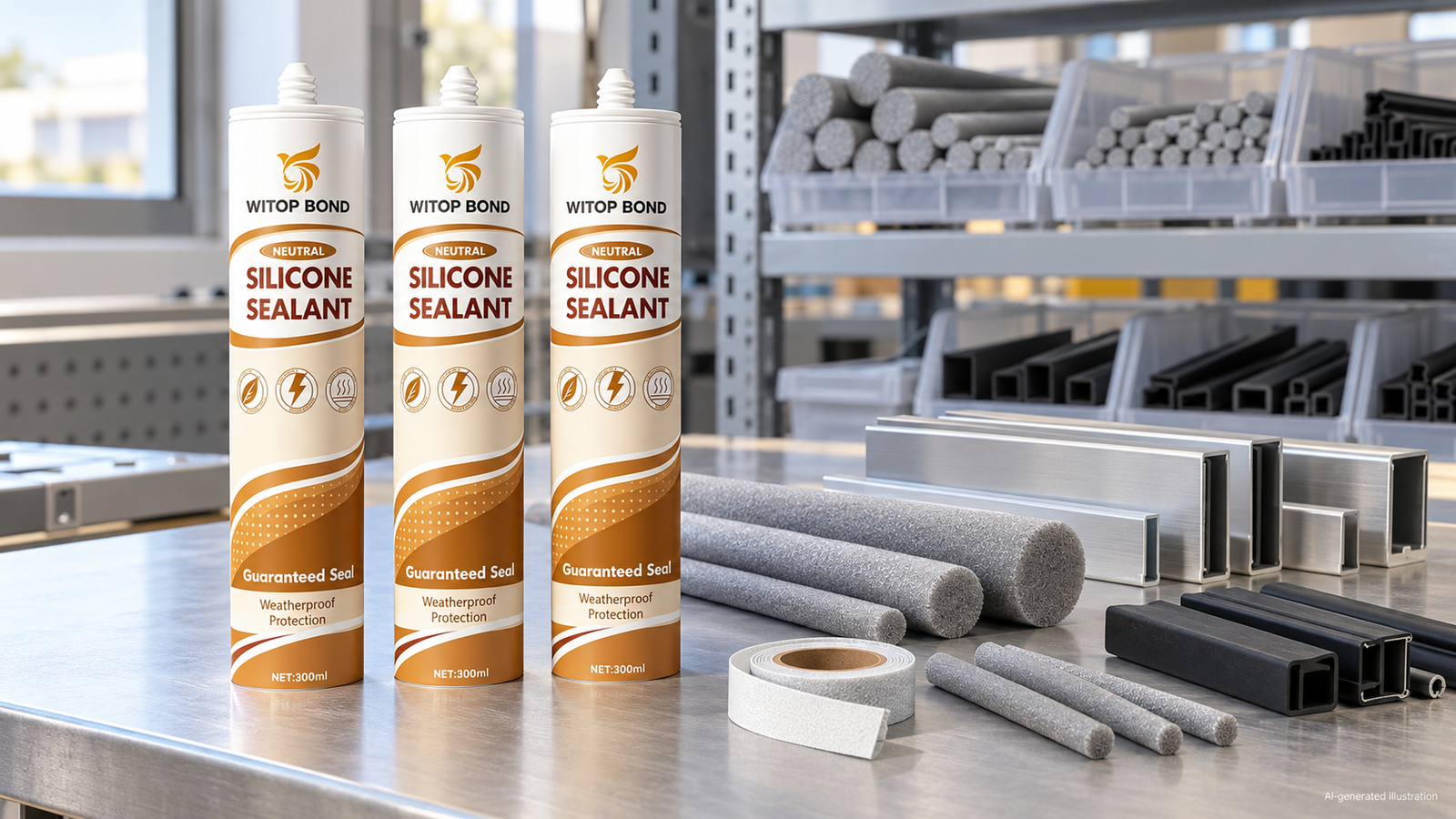
Neutral Silicone Weatherseals: Backer Rod and Accessory Review Before Ordering
A neutral silicone cartridge is only one part of a weatherseal joint. Backing, tapes, gaskets and neighboring finishes can change the questions that need answering before installation. For distributors and construction buyers, the practical task is to make those materials visible in the inquiry instead of treating them as unnamed accessories.
Start with a material map, not a shopping list
Take a joint drawing or a clearly labeled photograph and identify every material expected to touch the sealant. Separate the two intended bonding faces from the backing and nearby components. Record the actual finish, not just a broad description such as metal or glass. A coated frame and an uncoated sample are not the same approval reference.
This map is an information-gathering tool, not a design calculation. Ask the responsible project reviewer to confirm the joint’s function and detail. Keep structural glazing, fire-rated joints and other safety-critical systems outside a generic weatherseal purchasing decision.
Understand what the backing must do
Dow’s weatherproofing manual describes backer rods as supporting tooling and helping establish the joint profile. It also describes bond-breaker tape where a suitable detail requires preventing adhesion at the rear of the joint. These roles explain why backing selection belongs in the review, rather than being left to whichever foam or tape is available on site. Dow: European Building Envelope Weatherproofing Manual.
Do not derive a rod diameter, sealant depth or installation method from this article. Have the approved joint detail and the selected manufacturers’ instructions establish those requirements. A purchasing team should record the decision and supply the specified item, not redesign the joint to suit leftover stock.
Identify the accessory precisely
Request the manufacturer’s name, product reference and material description for each backing or tape. Include the proposed size and the document used to select it. Keep a labeled sample when practical, especially when several suppliers offer similar-looking products. Appearance alone is a weak basis for accepting an alternative.
For a first order, use a small accessory register with one row per component:
- Joint location and drawing reference.
- Component name, manufacturer and exact product code.
- Proposed dimensions and available technical document.
- Contact surfaces and sample reference.
- Reviewer, decision date and unresolved questions.
Link this register to the sealant quotation. If the installer will source accessories locally, make that responsibility explicit and require the same identification before approving the package.
Ask about compatibility as well as adhesion
A backing material may need to avoid bonding to the sealant, while the joint faces must achieve the required bond. Compatibility is a separate question about the materials in contact. Dow’s manual flags potential discoloration from some accessory materials and calls for attention to gaskets, membranes and adjoining sealants. Its recommendations are for its own systems, not blanket approval for WITOP BOND combinations.
Send representative accessories with the actual substrate information when requesting technical review. Ask what assessment is appropriate, who will perform it and how the result will be documented. Do not call a tidy sample, a photograph or an informal handling demonstration a compatibility certificate.
Carry approval into the purchase and installation records
Keep the accepted accessory references with the product schedule, purchase order and installer instructions. Mark a proposed replacement as pending until the responsible reviewer accepts it. A supply delay does not make two tapes, foams or gaskets equivalent. Record changes to coatings or adjoining materials as well as changes to the silicone.
At handover, retain the final material register and any agreed evaluation records. The useful output is a traceable description of what was approved and supplied. This helps a later investigation avoid guessing which accessory was actually used.
Prepare a focused WITOP BOND inquiry
WITOP BOND manufactures and supplies adhesives and sealants with global shipping. For a Neutral Silicone Sealant inquiry, send the joint function, substrate finishes, accessory register, drawings, destination and estimated quantity. Request the exact grade’s current TDS/SDS and confirmation of the available review or sample arrangements.
Technical note: Neutral cure alone does not establish compatibility with every accessory, stone non-staining suitability or structural-glazing approval. This guide organizes purchasing information; it does not prescribe joint dimensions or claim WITOP BOND test results. Obtain model-specific documentation and project approval before use.